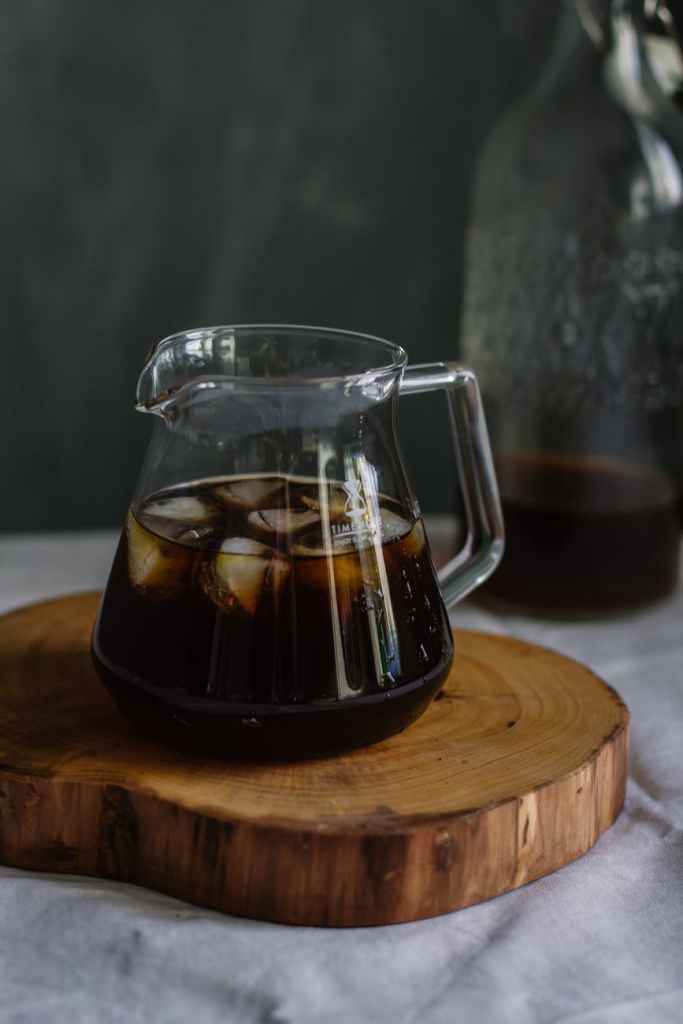
So as a warning and as a way of educating the public, cold brew is not iced coffee. It is not a new, trendy way of rebranding an existing product. Simply said, it’s making coffee using cold water rather than hot. I clarify this because I had a conversation with one of my customers who thought he was selling cold brew. The ironic thing was he was selling a lot of it. The confusion went way far beyond him. He was selling regular coffee as cold brew!
When you make cold brew, you will use more ground coffee and will have to wait longer to serve it. If you compare regular iced coffee to cold brew, you’ll taste the difference right away. You’ll either get hooked forever or hate it. To each his own.
First Things First
There’s no need to buy fancy equipment, but whatever you use must be clean and sanitized.
You’ll need a food safe bucket, a muslin filter and other containers to store your brew. An extra bucket would come in handy.
I’m sure you, as a coffee shop owner or restaurateur, already practice immaculate sanitation. Yet, because a vessel is clean doesn’t mean you should use it. Any off flavor will stick to your expensive concoction, unless you want to be known as the “spaghetti sauce,” cold brew shop. Dedicated equipment, it’s key in producing a consistent and fresh tasting brew all the time.
The quality of your coffee, needless to say, should be the best. There’s a trend out there to favor bold roasts, but medium to light roast are equally suitable. In my experience, any arabica blend should work. Although you will read otherwise elsewhere, make sure your coffee is as fresh as possible. You can use the same blend you use in your coffee machine already.
Water is your most important ingredient, believe it or not. Use only water that you would drink. If you live in an area where you can drink your tap water, then go ahead and use it. Otherwise, use bottled water. Water temperature will always be between 40 and 100 degrees, tops. The closer to 40 degrees best.
Say No
Steer away from bad advice, shortcuts or bad ingredients. Now that your colleagues know you’re making your cold brew, you’ll get unwanted advice on coffee making left and right. Skimping on the quality of your main ingredients will affect the quality of your drink, and trust me, your reputation. Serve a bad batch once, and you will pay for it. Don’t underestimate the power of the word of mouth. Follow one routine, or recipe, at a time. For now, you’ll follow mine until you master it and feel like you know how to improve it.
Down and Dirty (How to)
Now we are ready to make cold brew. You have two options, put your coffee in the filter and then in the water filled bucket, or mix the water and coffee together and filter after 16 hours. I find extraction is better this way, because the ingredients have more direct contact with each other.
Proportions:
Five gallons (ca. 19 l) of water to 3 pounds (ca. 1,361 g) of coffee.
Water temperature 65 degrees (average tap water temperature in the NYC area).
Keep at room temperature at below 100 degrees. Or in the refrigerator at 40 degrees (Lower, ok. Don’t let it freeze).
Patience
If you checked your brew after four hours, it may look like it’s done. All the water should have darkened, you’ll see some dry spots. It wouldn’t be a bad idea to give your mix a stir. Your goal is to maximize your extraction. If you opted for mixing everything together, just shake or stir the contents of your bucket.
Sixteen hours is my recommendation for the total amount of time you’ll leave your brew extracting. More than that would start to extract off flavors. One of the complaints of people who tried cold brew and didn’t like it, is that it tastes muddy and bitter. Perhaps they tried an over extracted brew, and we lost them forever. 24 hours is common, but I think is much too long.
When Done, not Done
Now we get to the messy part. All we need to do is to filter and discard all the coffee grounds, whether by twisting and squeezing the filter or just transferring the brew to your spare bucket through the muslin filter. The idea is to end up with black coffee, cold black coffee. If you’re using muslin filters, it is best to clean and sanitize them now, and leave them somewhere to hang and dry.
Serving and Shelf Life
Now, think of this. This delicious high caffeine content, sat for 16 hours, perhaps at room temperature. So, it’s that old. It will not stay fresh unless you do something to preserve it. Refrigerate, if you want to sell it a little longer. Shell life is about 7 days. You can also freeze it, and thaw when needed.
Recipes
There’s so much you can do with cold brew. Use it as you would your espresso-based drinks. Some people have even tried it hot.
Although you can get creative and use the cold brew in every possible way in your recipe, served over ice is very refreshing. You can add cream or milk and sweeten it, but I don’t think it needs it. Just try it!
Savings $
You can buy an already made extract and mix it. Yet, why spent so much money when you can make each serving for pennies?


 Demystifying Coffee